18 October 2026 · 5 min read · by Léa
OEKO-TEX, what is it? What the label guarantees on a yarn
OEKO-TEX, what is it? What the label really guarantees on a yarn, what it does not say, and how to read the mention on a label correctly.
OEKO-TEX, what is it exactly? It is a label that certifies a textile, or a yarn, has been tested for harmful substances and remains below fixed thresholds. It says nothing else, and this is what I want to explain here, because the mention appears on a large part of my product cards.
OEKO-TEX, what is it in a few words?
OEKO-TEX is an association of textile research institutes, created in 1992. It issues several labels. The one we most often come across on a yarn, a garment or home textiles is called STANDARD 100 by OEKO-TEX®.
This label answers a single question: does this textile contain harmful substances beyond what is allowed? To answer this, samples are analysed in a laboratory. The list of substances being looked for is long. It includes certain dyes, heavy metals, pesticides or formaldehyde.
A certificate is valid for one year. To keep it, the manufacturer must renew it, with new checks.
What the label guarantees about a yarn
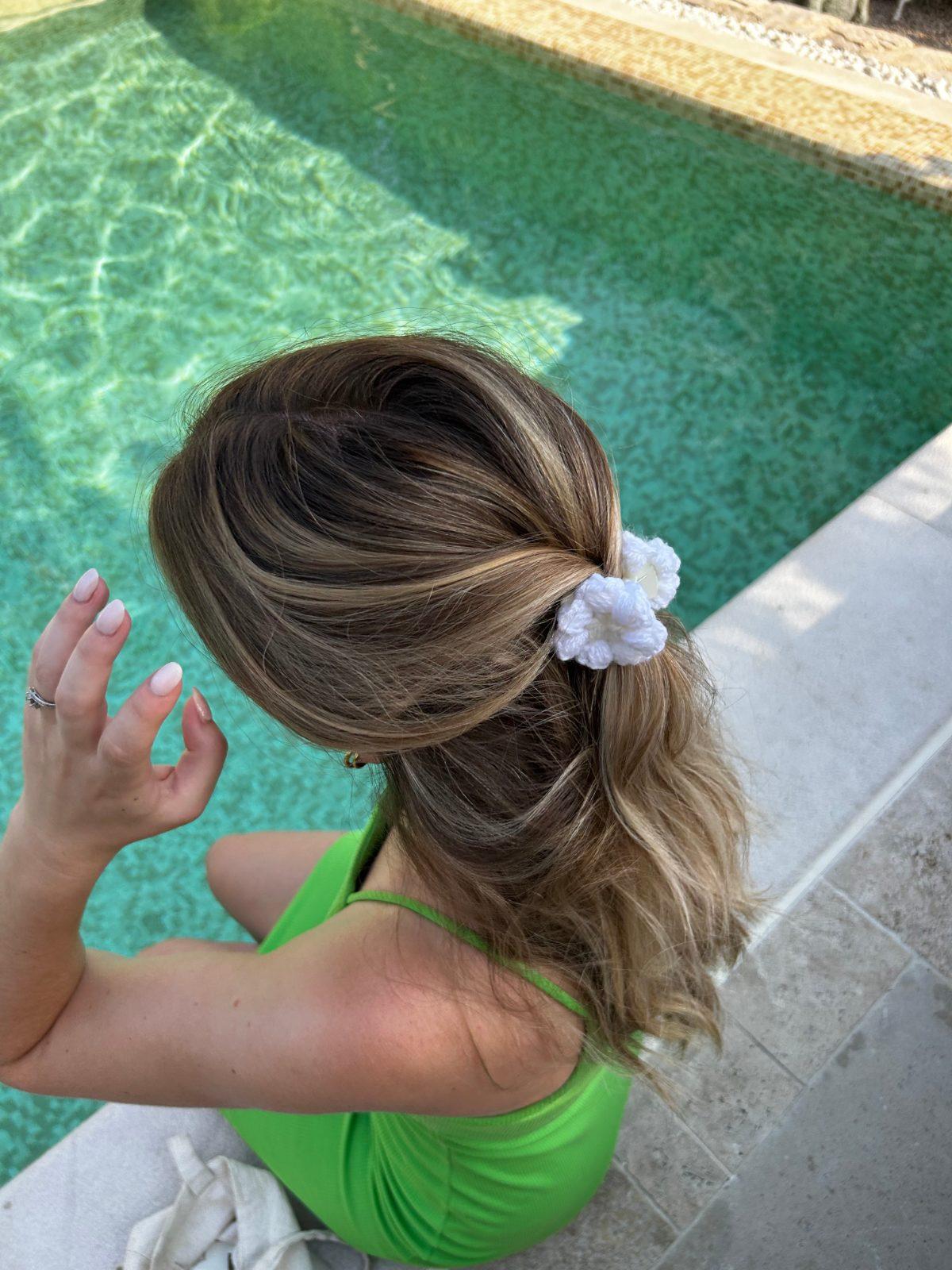
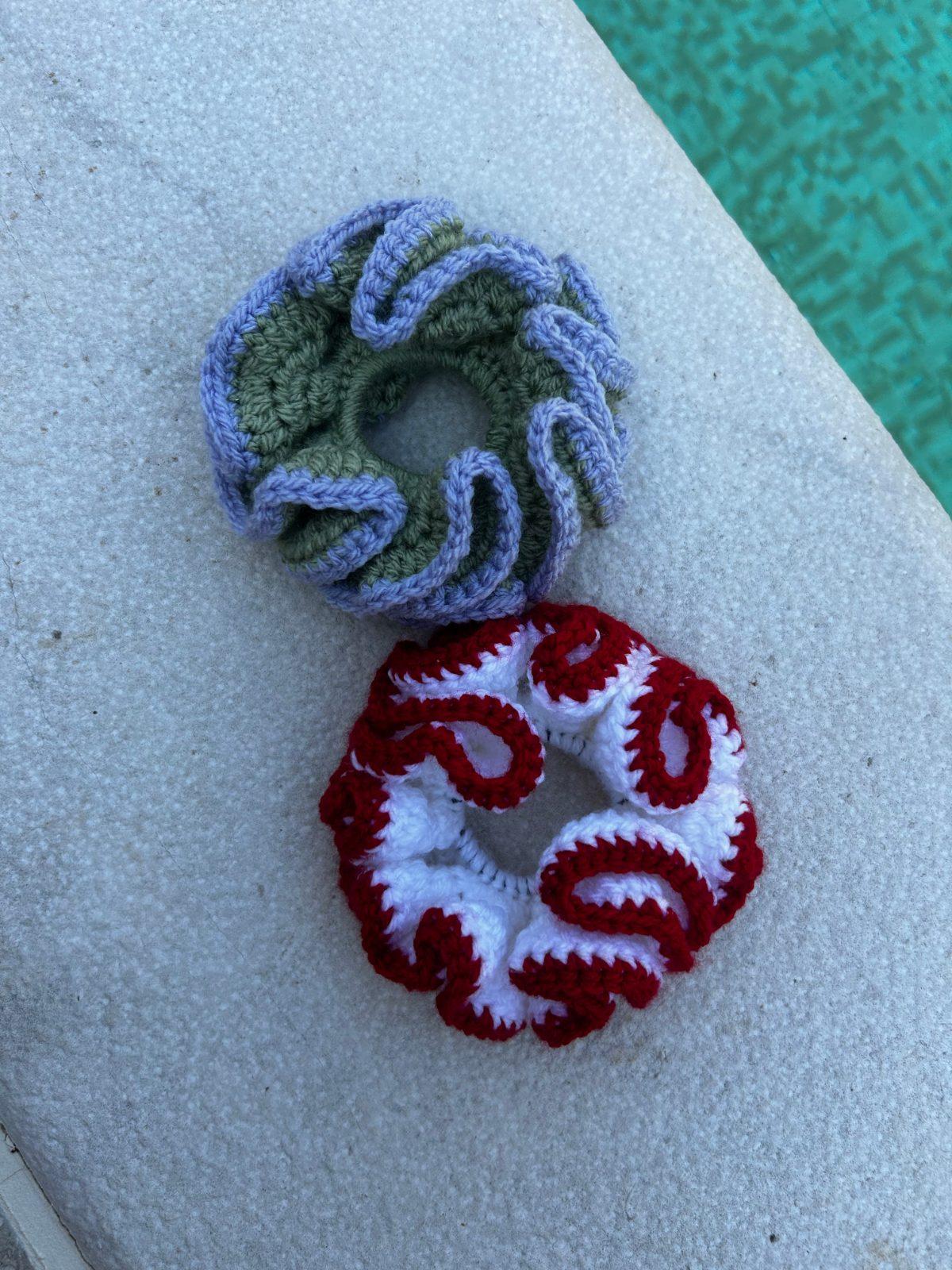
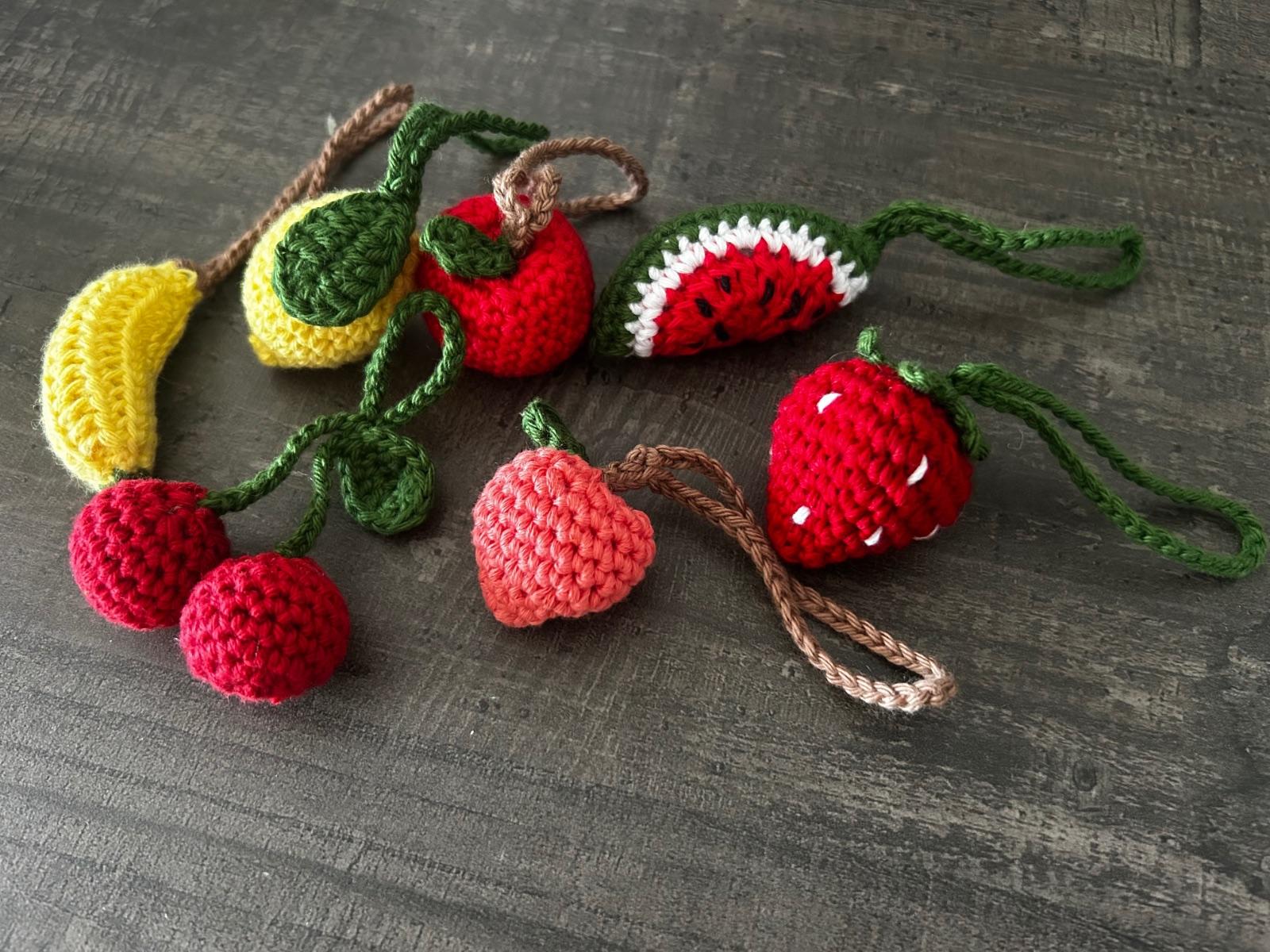
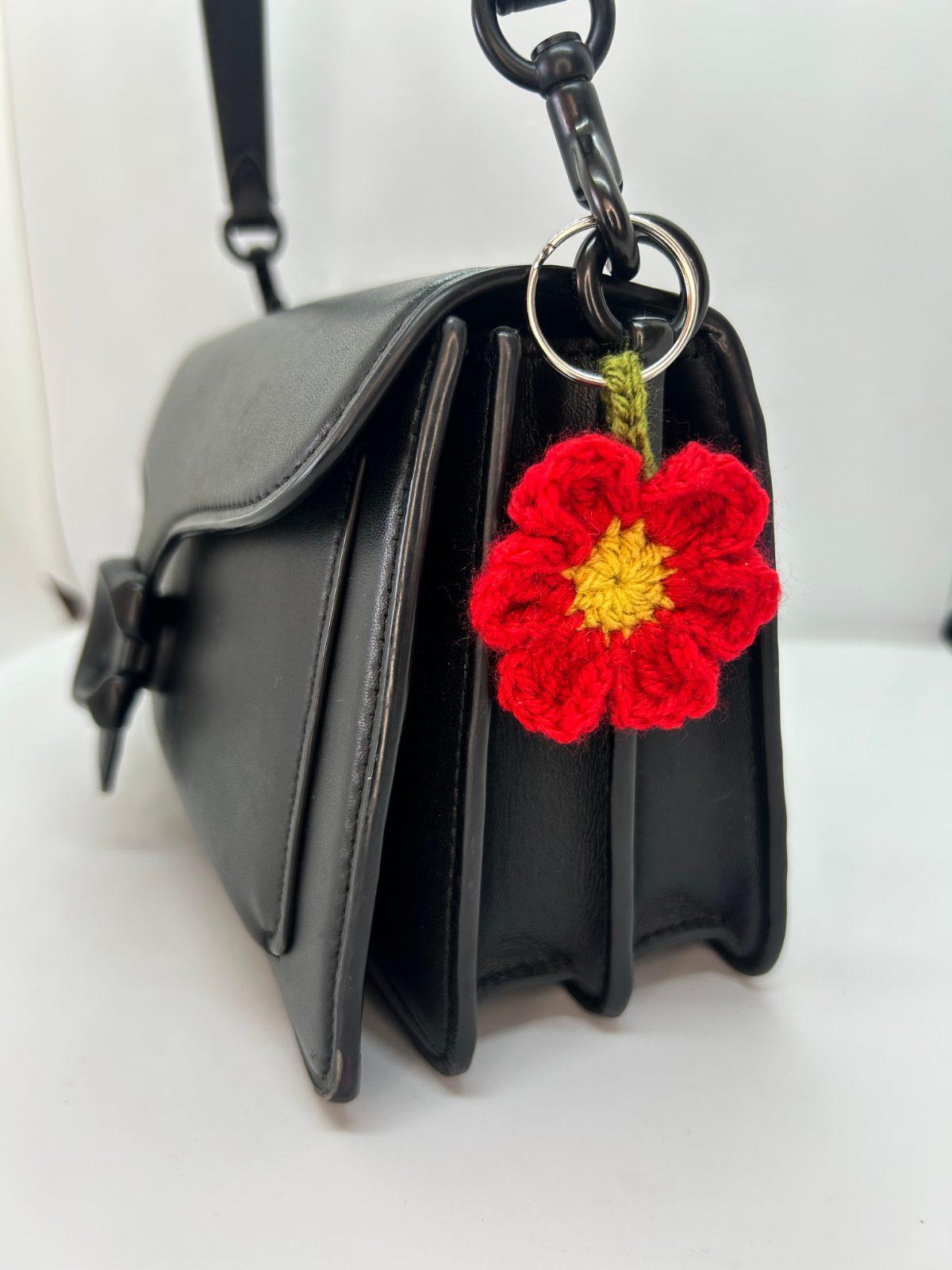
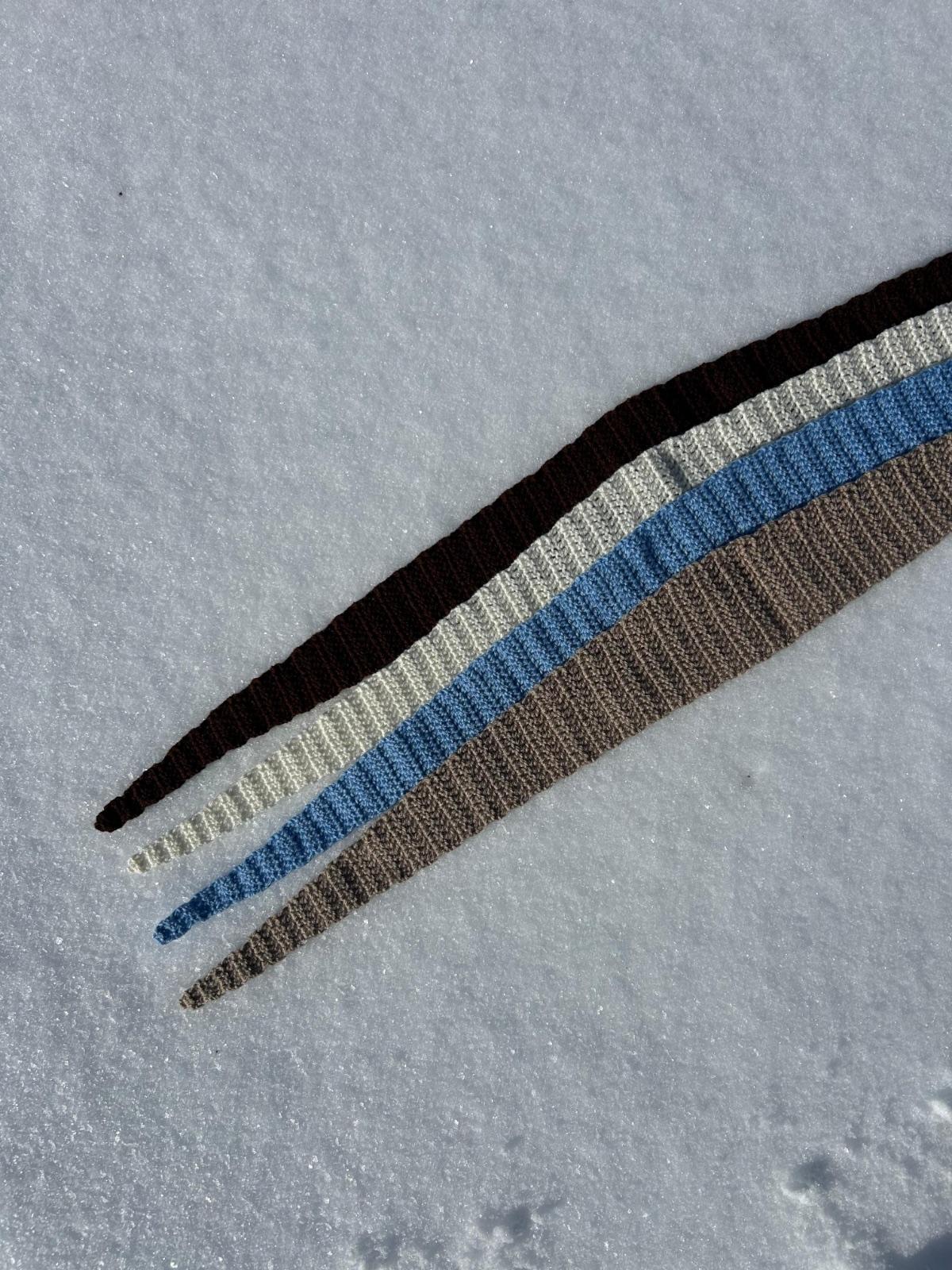
A yarn can be certified on its own, even before being crocheted. This is the case for the yarn of several of my pieces: the acrylic of the scarf ÉLIA, the striped scrunchie IRIS and the scrunchie ANTHÉA, the flower clips CAMÉLIA, the flower keyring FLORE and the Autumn charms, and the cotton of the fruit charms CLÉMENTINE.
In concrete terms, the certification of the yarn means:
- that the yarn has been tested for the substances listed by the standard;
- that the results remain below the fixed thresholds;
- that these thresholds depend on the intended use.
This last point matters. The STANDARD 100 categorises articles into four classes, and the closer the textile is to the skin, the stricter the requirements are:
- Class I : items for babies and young children, up to 3 years old ;
- Class II : textiles worn directly against the skin ;
- Class III : textiles with no contact, or almost no contact, with the skin ;
- Class IV : decorative and furniture materials.
The label applies to what has been tested, and only that.
What the OEKO-TEX label does not guarantee
This is the part that is often read less, and yet it is the one that avoids misunderstandings.
It is not an organic label. A mercerised cotton yarn certified OEKO-TEX is not necessarily an organic cotton. For organic cotton, there are other labels, such as GOTS.
It is not an ecological or social label. The STANDARD 100 says nothing about how the fibre was cultivated or manufactured, nor about the water and energy consumed, nor about working conditions. OEKO-TEX issues other labels that deal with this, such as MADE IN GREEN, but it is not the same.
This is not a quality guarantee. The label does not indicate if a yarn is soft, sturdy, if it pills or if it keeps its colour when washed. This depends on the material and how it is cared for. Care instructions are detailed on each product card.
A certified yarn does not make a certified piece. This is the rule I apply to all my product cards. A scrunchie is also an elastic. A charm is also a padding and a fastener. A clip is a flower fixed on a base. The certification covers the yarn, not the whole piece. This is why I write "made with OEKO-TEX® certified yarn", and never "certified scrunchie".
How to read the OEKO-TEX mention on a label
When you come across the label, three things help to know what it is about:
- the exact label name : STANDARD 100, MADE IN GREEN or another, as they do not guarantee the same thing;
- what is certified : the yarn, the fabric, or the finished article;
- the certificate number : when it is shown, OEKO-TEX allows it to be checked on its website, to see what it covers and if it is still valid.
A vague phrase, such as "certified materials", does not say much. A phrase that names what is certified is more accurate, even if it sounds less good.
Why I write the mention on my cards
My pieces are worn in the hair, around the neck, or pass through the hands every day at the end of a keyring. Knowing that the yarn has been checked is useful information, so I provide it, as is.
On each card, the material is detailed: the yarn, and everything that is added to it. This is true for hair accessories as for charms and trinkets. The OEKO-TEX mention only appears on the cards whose yarn is certified.
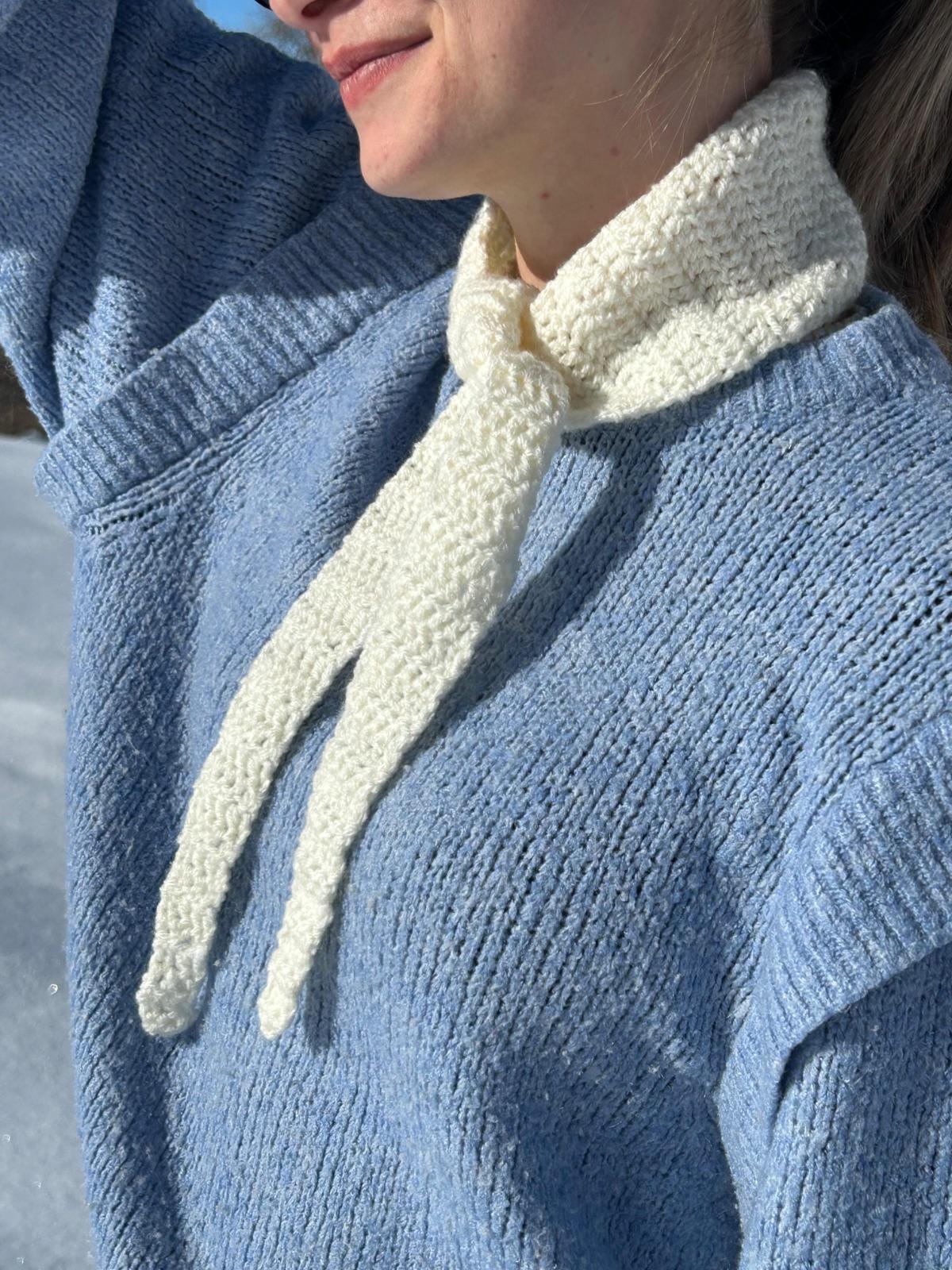
The ÉLIA scarf is made from 100% acrylic yarn certified OEKO-TEX®. I made it because I cannot stand wool on my skin, and I was looking for something simple to tie, that keeps warm without scratching.
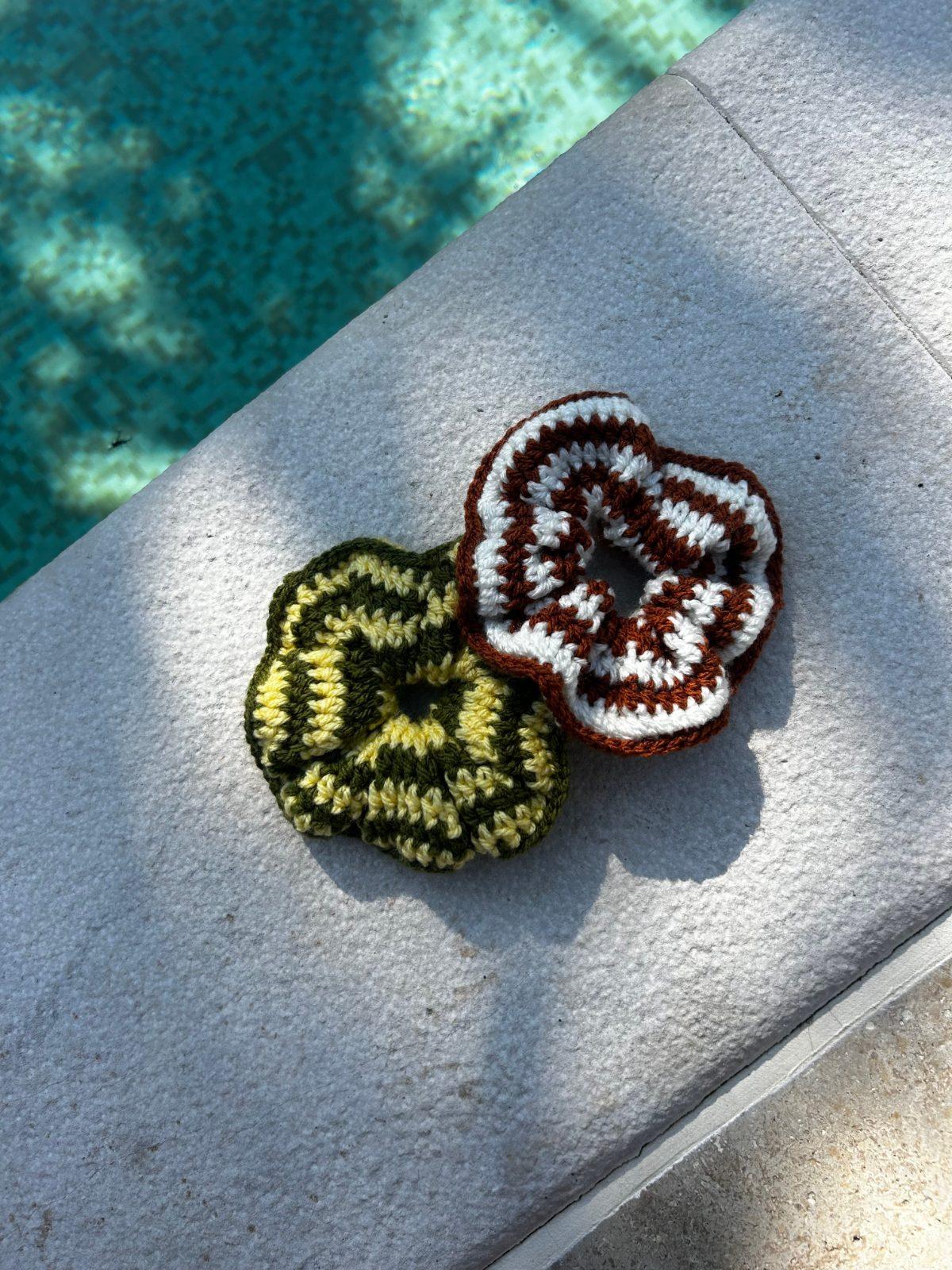
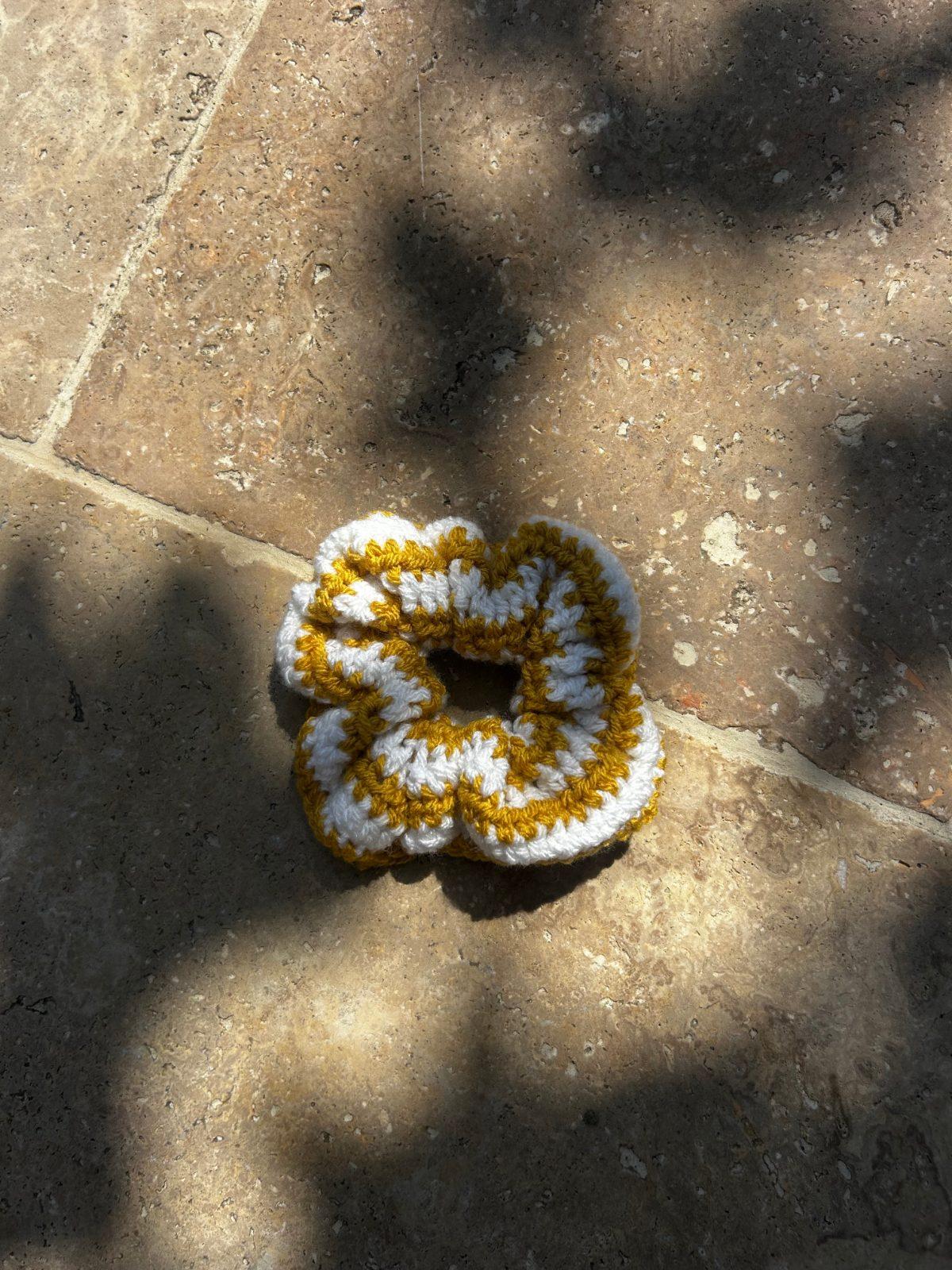
The IRIS scrunchie is made from 100% acrylic yarn certified OEKO-TEX®, with a black elastic inside the work. The mention concerns the yarn.
If you have an idea for a bespoke piece, you can describe it in the custom project form, and ask me about the yarn at that time.
Questions fréquentes
OEKO-TEX, does it mean organic?
No. The label is about harmful substances, not the fibre cultivation method. For organic cotton, you need to look for a label like GOTS.
Is an OEKO-TEX certified yarn suitable for sensitive skin?
The label guarantees that the yarn stays below thresholds of harmful substances. It does not guarantee the absence of a reaction, which also depends on the fibre and each skin. In case of doubt, a healthcare professional's advice remains the best reflex.
How long does an OEKO-TEX certification last?
One year. The manufacturer must renew it every year, with new tests.
Is an accessory made from certified yarn also certified?
Not necessarily. The certificate covers what has been tested. If only the yarn has been tested, it is the yarn that is certified, not the elastic, glue or padding added afterwards.
All of Léa’s pieces are crocheted by hand, one by one, in the south of France. See the pieces